






Cybersecurity for Allied Health Providers and Veterinary Clinics in Hong Kong: Operating Securely Under the New Ordinance
Author: Rendy Ng
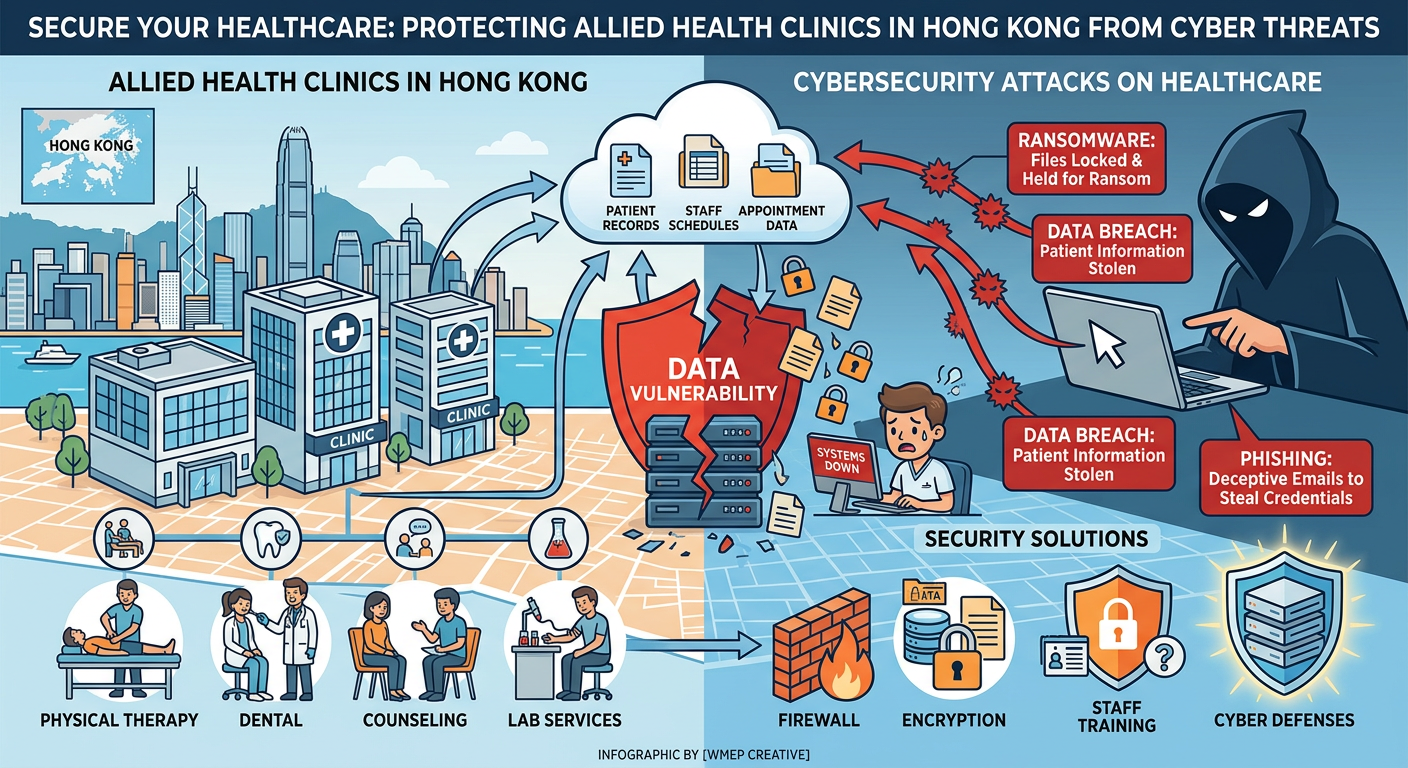
Cybersecurity is now a legal, operational, and reputational risk issue for healthcare-related businesses in Hong Kong. Veterinary clinics, physiotherapy practices, psychology clinics, chiropractic clinics, dental practices, and other allied health providersroutinely handle sensitive personal data, appointment records, paymentinformation, treatment notes, and business-critical systems.
With the introduction of the Protection of Protection of Critical Infrastructures (Computer Systems) Ordinance, which came into effect on 1 January 2026, Hong Kong has moved toward a more formal cybersecurity regime for operators of important computer systems. The Ordinance is primarily aimed at organisations designated as Critical Infrastructure Operators, but its standards are highly relevant for smaller healthcare and care-related providers that want to reduce cyber risk and demonstrate responsible data governance.
For allied health providers, the key question is not only whether the Ordinance applies directly. The more practical question is: are your systems, patient or client data, vendor arrangements, and incident response procedures secure enough for today’s risk environment?
What Is the Protection of Critical Infrastructures (Computer Systems) Ordinance?
The Protection of Critical Infrastructures (Computer Systems) Ordinance was introduced to strengthen the cybersecurity of computer systems that support essential services in Hong Kong. It imposes statutory obligations on certain organisations designated as Critical Infrastructure Operators, often referred to as CI Operators.
Critical infrastructure may include systems and organisations that are important to the continued operation of essential public services, public safety, economic stability, or social functioning. Sectors such as healthcare, transport, telecommunications, energy, banking and financial services, and other essential services may fall within the wider critical infrastructure framework.
For the healthcare sector, this means that hospitals, large health networks, major health service providers, and potentially other significant operators may be assessed for designation. Smaller private clinics, veterinary practices, or allied health clinics may not automatically be designated, but they can still be affected indirectly through cybersecurity expectations, supplier requirements, insurance standards, contractual obligations, and client trust.
Does the Ordinance Apply to Veterinary Clinics and Allied Health Providers?
The Ordinance applies directly to organisations that are formally designated as CI Operators. If your business is designated, you should receive written notification from the relevant authority.
Before designation, the Commissioner may also request information from an organisation to assess whether it operates critical infrastructure or relevant computer systems. Failure to comply with a formal notice may have legal consequences.
For many veterinary clinics and allied health providers, direct designation may be unlikely unless the organisation operates at a scale or level of importance that is considered critical to Hong Kong’s essential services. However, smaller providers should not ignore the Ordinance.
Even where the Ordinance does not apply directly, it is useful as a benchmark for cybersecurity governance, incident response, vendor management, data protection, and operational resilience.
In practical terms, the Ordinance creates a new cybersecurity standard in Hong Kong. Clinics that adopt similar controls may be better placed to:
- protect sensitive client, patient, and animal health records;
- reduce the risk of ransomware and data theft;
- respond quickly to cybersecurity incidents;
- satisfy insurers. landlords, corporate clients, professional bodies, and business partners;
- demonstrate responsible handling of personal data; and
- reduce legal and reputational exposure if a breach occurs.
Why Cybersecurity Matters for Clinics and Healthcare-Related Providers
Veterinary clinics and allied health practices often hold more sensitive data than they realise. This may include:
- client names, addresses, phone numbers, and identify information;
- appointment and billing records;
- medical notes, treatment plans, diagnostic records, and referral letters;
- payment details;
- insurance-related information;
- staff employment records;
- CCTV footage;
- cloud-based practice management data;
- WhatsApp, email, SMS, and online booking communications; and
- supplier, laboratory, pharmacy, or third-party platform records.
A cybersecurity incident can disrupt more than your IT systems. It can stop bookings, delay treatment, lock staff out of records, compromise confidential data, expose the business to regulatory complaints, and damage client trust.
Common cyber risks for clinics include:
- phishing emails sent to reception or administrative staff;
- ransomware attacks that encrypt practice management systems;
- unauthorised access to cloud booking platforms;
- weak passwords or shared staff accounts;
- insecure Wi-Fi networks;
- unpatched software;
- compromised payment systems;
- lost laptops, tablets, or mobile phones;
- poor backup practices; and
- inadequate contractual protection with IT vendors.
Key Obligations for Critical Infrastructure Operators
If a healthcare-related organisation is formally designated as a CI Operator, it must comply with statutory cybersecurity obligations. These obligations broadly fall into three areas.
1. Organisational Responsibilities
A designated CI Operator is required to:
- maintain appropriate local presence or representation in Hong Kong;
- notify the relevant authority of changes in ownership or operation of the critical infrastructure;
- appoint or engage a qualified cybersecurity management unit;
- maintain internal governance arrangements for cybersecurity compliance; and
- ensure senior management oversight of computer system security.
These obligations are intended to ensure that cybersecurity is not treated as a purely technical issue. It must be managed at an organisational level, with clear accountability.
2. Cybersecurity Management Plans
Designated operators are generally expected to develop and maintain a computer system security management plan. This plan should address how the organisation identifies, manages, mitigates, and monitors cybersecurity risk.
For clinics and healthcare providers, similar plans should cover:
- access controls;
- password and multi-factor authentication policies;
- data encryption;
- system backups;
- secure configuration of software and devices;
- remote access controls;
- staff cybersecurity training;
- vendor management;
- incident response procedures;
- disaster recovery planning; and
- regular testing and review.
Even where a clinic is not designated as a CI Operator, a written cybersecurity plan is a valuable risk management tool.
3. Incident Reporting and Emergency Preparedness
The Ordinance includes strict incident reporting expectations for designated CI Operators. Serious cybersecurity incidents may need to be reported within short timeframes, with follow-up reports submitted after the incident has been investigated.
This is particularly important because a cyber incident often unfolds quickly. By the time a clinic realises that records are inaccessible or client data may have been compromised, the business may already be facing operational disruption, regulatory risk, contractual issues, and reputational damage.
A practical incident response plan should identify:
- who within the clinic is responsible for responding to an incident;
- which external IT provider or cybersecurity specialist should be contacted;
- when legal advice should be obtained;
- how affected systems should be isolated;
- how backups should be restored;
- how staff should communicate internally;
- whether clients, patients, insurers, regulators, or business partners need to be notified; and
- how the incident should be documented.
Potential Penalties for Non-Compliance
Failure by a designated CI Operator to comply with the Ordinance can result in significant penalties, including fines of up to HK$5 million, with potential additional daily fines for continuing breaches.
For smaller clinics that are not designated, the more immediate risks may include:
- complaints under personal data protection laws;
- contractual claims from clients, partners, or suppliers;
- employment-related issues if staff data is affected;
- insurance coverage disputes;
- loss of client trust;
- business interruption; and
- reputational harm.
This is why cybersecurity should be treated as part of legal and operational risk management, not merely an IT issue.
Practical Cybersecurity Steps for Veterinary Clinics and Allied Health Providers
Below are practical steps that clinics can take to strengthen cybersecurity and prepare for a more regulated environment.
1. Conduct a Cybersecurity Risk Assessment
Start by identifying your key systems, data, and vulnerabilities. Consider:
- where client and patient records are stored;
- who has access to each system;
- whether staff use shared logins;
- whether systems are cloud-based or locally hosted;
- whether backups are performed regularly;
- whether backups are tested;
- whether software and devices are updated;
- whether mobile phones, tablets, or laptops contain client data; and
- whether third-party vendors can access your systems.
A risk assessment does not need to be overly complicated, but it should be documented and reviewed regularly.
2. Strengthen Access Controls
Many cyber incidents begin with weak access controls. Clinics should consider:
- requiring unique logins for each staff member;
- avoiding shared administrator accounts;
- enabling multi-factor authentication;
- limiting access based on staff roles;
- promptly removing access when employees leave;
- using strong password policies;
- restricting remote access; and
- reviewing user permissions regularly.
For clinics with part-time practitioners, locums, contractors, or rotating reception staff, access management is especially important.
3. Improve Data Backup and Recovery
Backups are critical in ransomware and system failure scenarios. Clinics shoud:
- back up important data regularly;
- keep at least one backup separate from the main network;
- test backup restoration periodically;
- document recovery procedures;
- ensure cloud providers have adequate backup arrangements; and
- identify how long the clinic can operate without access to its systems.
A backup that has never been tested may fail when it is needed most.
4. Train Staff to Recognise Cyber Threats
Receptionists, administrative staff, clinicians, nurses, therapists, and managers all play a role in cybersecurity. Training should cover:
- phishing emails;
- suspicious attachments and links;
- fake payment requests;
- impersonation scams;
- safe use of WhatsApp and email;
- handling of personal data;
- password hygiene;
- reporting suspicious activity; and
- procedures for lost devices.
Staff should know who to contact if they suspect a breach.
5. Prepare an Incident Response Plan
A written incident response plan can reduce confusion during a cyber incident. The plan should include:
- internal escalation steps;
- external IT and legal contacts;
- decision-making authority;
- communication templates;
- evidence preservation steps;
- notification considerations;
- restoration priorities; and
- post-incident review procedures.
The plan should be tested through tabletop exercises or simple scenario-based drills.
6. Review Vendor and Cloud Service Agreements
Many clinics rely on third-party platforms for bookings, records, payments, accounting, messaging, imaging, laboratory results, or cloud storage. These vendors may hold or process sensitive data on the clinic’s behalf.
Vendor agreements should be reviewed for:
- cybersecurity obligations;
- data protection commitments;
- breach notification timelines;
- liability limitations;
- audit rights;
- subcontracting arrangements;
- data hosting locations;
- backup and disaster recovery obligations;
- termination rights; and
- assistance during regulatory investigations or client complaints.
A clinic may still be responsible for the consequences of a breach even if the incident originates from a vendor.
7. Maintain Data Protection Compliance
Cybersecurity and personal data protection are closely linked. Clinics should ensure that they comply with applicable personal data obligations, including responsible collection, use, storage, retention, security, and disposal of personal data.
Good practice includes:
- collecting only data that is necessary;
- maintaining clear privacy notices;
- restricting internal access to sensitive data;
- avoiding indefinite retention of records unless justified;
- securely deleting old files;
- encrypting sensitive data where appropriate;
- managing consent and direct marketing practices; and
- documenting data handling procedures.
8. Keep Software and Devices Updated
Unpatched systems are a common entry point for attackers. Clinics should maintain an inventory of:
- computers;
- servers;
- tablets;
- mobile phones;
- routers;
- Wi-Fi access points;
- printers and scanners;
- CCTV systems;
- diagnostic equipment connected to networks;
- practice management software; and
- cloud applications.
Updates and security patches should be applied promptly, particularly for internet-facing systems.
9. Secure Wi-Fi and Network Access
Clinics should separate internal business systems from guest Wi-Fi. Practical measures include:
- using strong Wi-Fi passwords;
- changing default router credentials;
- separating guest and internal networks;
- restricting access to administrative settings;
- monitoring unusual network activity; and
- reviewing whether medical, diagnostic, or imaging equipment is connected securely.
10. Document Your Cybersecurity Governance
Documentation is important if the clinic later needs to show that it took reasonable steps to protect data and systems. Useful documents include:
- cybersecurity policies;
- staff training records;
- vendor contracts;
- incident response plans;
- risk assessments;
- backup logs;
- access control reviews;
- data retention policies;
- privacy notices; and
- records of security updates.
Cybersecurity Checklist for Clinics
Veterinary clinics and allied health providers should consider the following checklist:
- Have we identified all systems that store client, patient, or payment data?
- Do all staff use individual accounts?
- Is multi-factor authentication enabled for email, cloud systems, and remote access?
- Are backups performed and tested?
- Do we have an incident response plan?
- Are staff trained to recognise phishing and scams?
- Are software and devices updated regularly?
- Are vendor contracts reviewed for cybersecurity and data protection terms?
- Do we know where our data is hosted?
- Do we have a process for removing access when staff leave?
- Is guest Wi-Fi separated from internal systems?
- Are privacy notices and data retention practices up to date?
- Do we know who to call if a cyber incident occurs?
Why Clinics Should Act Now
Even if your clinic is not formally designated as a CI Operator, adopting stronger cybersecurity practices now can reduce operational risk and support legal compliance.
Early action can help your clinic:
- prevent avoidable cyber incidents;
- respond more effectively if an incident occurs;
- protect sensitive client and patient records;
- reduce downtime;
- satisfy insurance and contractual expectations;
- demonstrate responsible governance; and
- preserve client confidence.
For healthcare-related businesses, cybersecurity is no longer just a technical safeguard. It is a core part of professional risk management.
How Rendy Ng Law Firm Can Help
Rendy Ng Law Firm advises businesses in Hong Kong on cybersecurity, data protection, regulatory compliance, and commercial risk management.
We can assist veterinary clinics, allied health providers, and healthcare-related businesses with:
- assessing whether the Ordinance may affect your organisation;
- reviewing cybersecurity governance frameworks;
- preparing incident response plans;
- reviewing vendor and cloud service contracts;
- advising on data protection obligations;
- preparing internal policies and staff procedures;
- responding to cybersecurity incidents;
- advising on regulatory notifications and client communications; and
- supporting compliance with evolving cybersecurity standards.
If you would like advice on your clinic’s readiness under the Protection of Critical Infrastructures (Computer Systems) Ordinance, or if you want to strengthen your cybersecurity and data protection practices, contact our team at info@rknlegal.com.
Frequently Asked Questions
Does the Protection of Critical Infrastructures Ordinance apply to small veterinary clinics?
The Ordinance applies directly to organisations formally designated as Critical Infrastructure Operators. A small veterinary clinic may not automatically fall within that category. However, the Ordinance’s cybersecurity standards provide useful guidance for any clinic that handles sensitive client, patient, payment, or operational data.
Are allied health providers in Hong Kong covered by the Ordinance?
Allied health providers may be affected if they are part of a larger healthcare network or are otherwise designated as operating critical infrastructure. Even where they are not directly covered, physiotherapy, psychology, chiropractic, dental, and other allied health providers should adopt appropriate cybersecurity controls to protect sensitive personal and health-related information.
What should a clinic do first to improve cybersecurity?
A clinic should begin with a cybersecurity risk assessment. This should identify what data the clinic holds, where it is stored, who can access it, how it is backed up, which vendors are involved, and what would happen if systems became unavailable.
What is the biggest cybersecurity risk for clinics?
Common risks include phishing, ransomware, weak passwords, shared accounts, unpatched software, insecure cloud systems, and poor backup practices. Human error is often a major factor, which is why staff training is essential.
Should clinics review contracts with IT vendors and cloud providers?
Yes. Vendor contracts should clearly address cybersecurity standards, breach notification, data protection, liability, subcontracting, data hosting, backup arrangements, and support during an incident. Clinics should understand what their providers are responsible for and what risks remain with the clinic.
What happens if a clinic suffers a data breach?
The clinic should activate its incident response plan, contain the breach, preserve evidence, contact IT and legal advisers, assess whether personal data has been compromised, consider notification obligations, communicate carefully, and document remedial steps. The correct response will depend on the facts of the incident.
Disclaimer: Nothing herein shall be interpreted as legal advice to any person. Readers are encouraged to consult their legal representatives for independent advice. The information provided is based on overall observations and the experience of the practitioners of the firm at the time of writing. The content may change without prior notification depending on changes in the law. If there are two versions of the article in different languages, the English version will prevail in case of discrepancies.
About Us:
Rendy Ng Law Firm is a law firm based in Hong Kong, providing a full range of commercial legal services for all sectors, with particular focus on supporting professionals and businesses in the medical and veterinary, consumer goods and retail and entertainment industries to achieve sustainable success. By combining legal guidance with understanding of business practicalities, we ensure that our clients receive support tailored to their business goals and individual needs. Please feel free to reach out to our team should you have any questions about our services.
For enquiries, please contact us at:
P | +(852) 6033-3072 E | info@rknlegal.com W | www.rknlegal.com
to get involved with our community endeavours.
.webp)

Subscribe to
our latest articles
We publish know-how articles from time to time, providing timely updates, interpretations of new legislations, key case law developments, emerging legal trends, and industry best practices.
If you wish to receive updates from us, please select the areas of
law you are interested in and enter your email address below:
.webp)
Your first step
to legal support
Reach out to discuss your legal needs — we will respond promptly and guide you from there.


